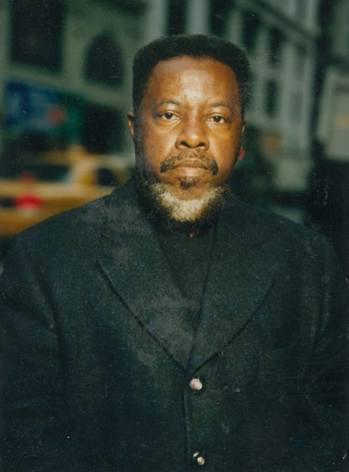
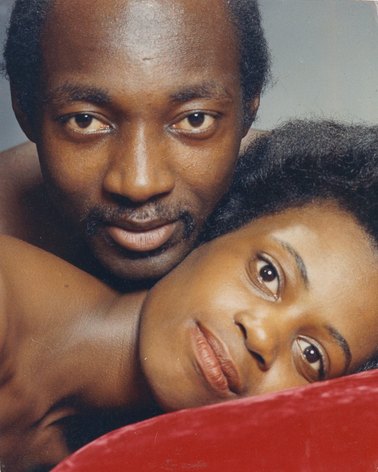
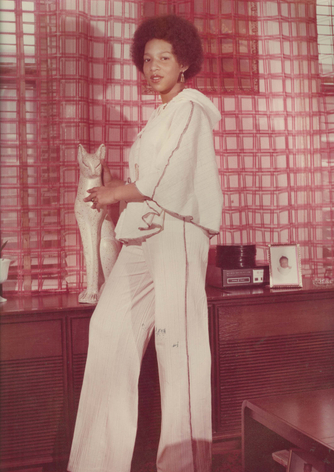
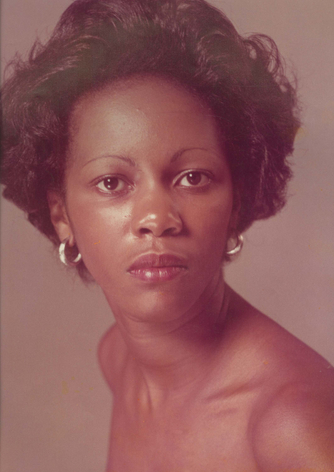
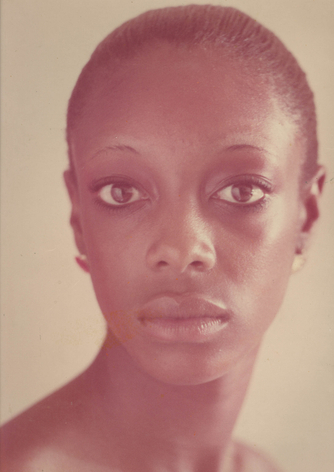
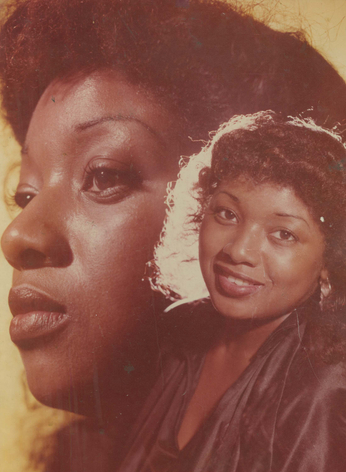
Photograph by Ray Ortiz

Photograph by Ray Ortiz

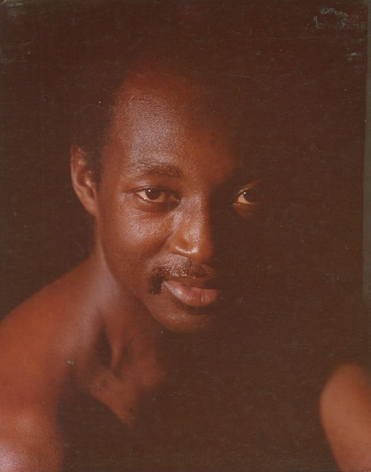
For more than sixty years, Louis Mendes (b. 1940) has used his signature Graflex Speed Graphic camera to create portraits that together form a record of New York City and its people. Born and raised in Jamaica, Queens, Mendes discovered photography at age fourteen, when he was handed a camera by his sister. He began by documenting family gatherings before expanding his practice to friends, neighbors, and eventually strangers he encountered across the city. 

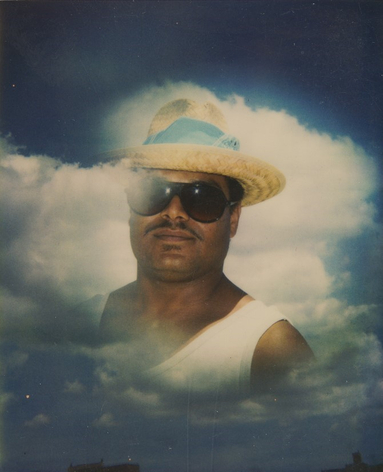
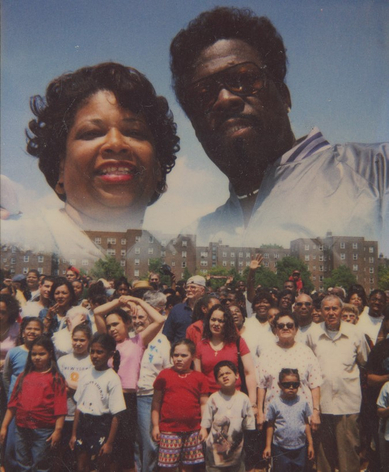
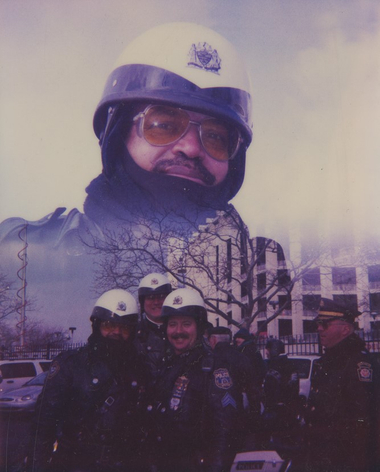
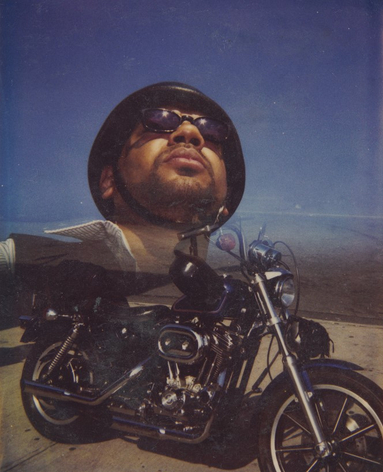
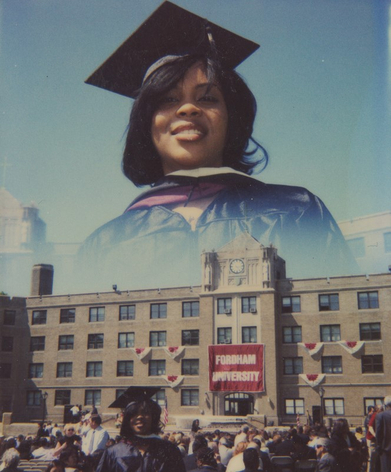
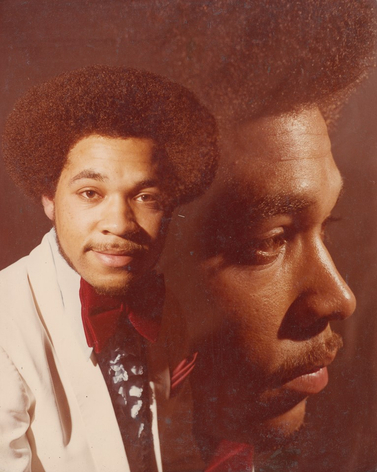
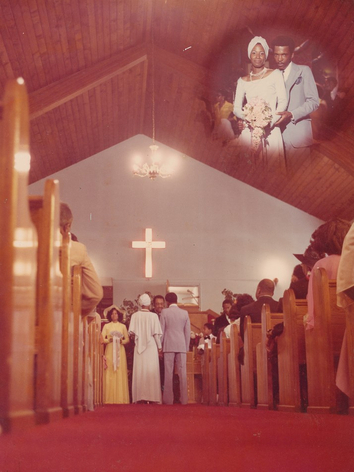
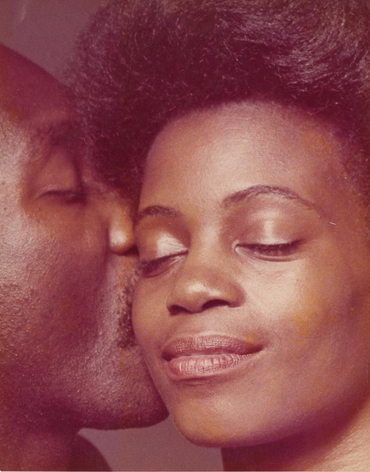
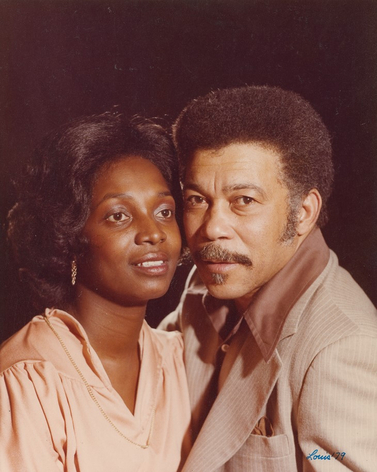
Mendes began working professionally in the late 1950s and 1960s, photographing nightlife, parties, and community events, often producing and selling instant prints directly to his subjects. In the 1970s, he worked as a portrait photographer, traveling throughout New York’s boroughs and neighboring states to make home portraits of families and friends. He later established his own business, developing a distinctive style of on-the-spot portraiture and experimenting with double exposures and layered compositions that gave his images a sense of immediacy and intimacy.

A fixture on the streets of New York, Mendes has continued to photograph daily for more than seventy years, creating an ongoing portrait of the city and its people. His practice—rooted in human connection and sustained engagement—has influenced generations of photographers who see in his work a model of independence and dedication. His photographs have been featured in, among others, The New Yorker and The New York Times. Mendes continues to live and work in New York City, remaining an active chronicler of the city’s streets, celebrations, and everyday encounters.

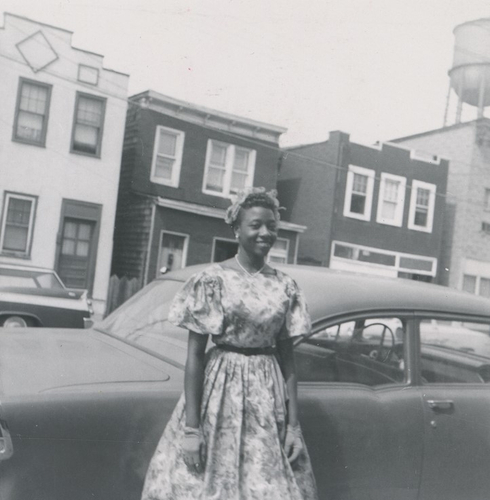
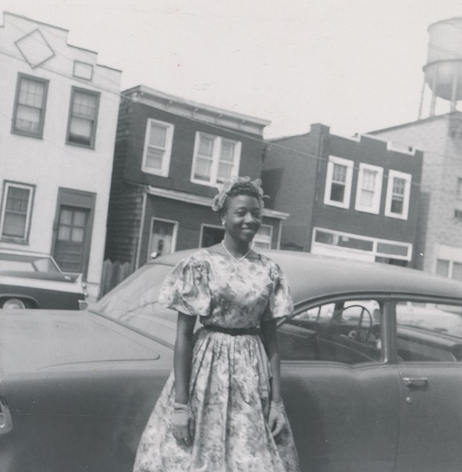
Louis Mendes, Family Photo, Queens, September, 1959. © Louis Mendes.

Louis Mendes, Family Photo, Queens, September, 1959. © Louis Mendes.

The following text by Louis Mendes is drawn from a conversation between Mendes and Michal Raz-Russo (director of programs at The Gordon Parks Foundation) that took place on October 7, 2025 in New York City. The transcript has been edited for length and clarity.

I was born and raised in Jamaica, Queens. I went to school in Jamaica, Queens, and studied radio electronics in high school. When I was younger, my father always said, “don't go out the house unless you're dressed, because you never know who you're gonna meet.” Even when I was 15, 16 years old, I always dressed up, because you never know who's gonna walk down the street.

I have nine sisters; I'm the only boy. My older sister was the one who put a camera in my hand when I was 14 years old. She was the one documenting the family—birthday parties, family gatherings, and things of that nature. When she wanted to get in the picture, she handed me the camera so she could be in a family picture. I still have that camera, from around 1954. I would then take film to the drugstore to get it processed, and when it came back a week later, I looked at the results and I liked what I saw. I bought my first camera when I was 17. I never went to school for photography. I got it all from books. Looked through a book and went to camera shows and listened to guys talking. But they weren't doing what I was doing.

My first job was working at Macy's in the city, doing stock work, not making much money. But I was still taking photographs on the side, just as a hobby. One day, I was walking around the store taking pictures and a photographer saw me with the camera. He asked me if I wanted to work in his club that weekend. I agreed, and that weekend I took pictures in the club. Afterward he said that if I wanted to continue working, I had to buy my own equipment. He was using a Speed Graphic—that’s what all the nightclub photographers used back then. So that’s what I bought in 1959, my first Speed Graphic. And when I bought the camera, the guy who sold it to me said, “this camera can make a living for you.”

I used that camera all through the sixties. I was taking instant pictures every day. I went to boat rides, clubs, parties, everything, and selling photographs to everyone. Every weekend I had a camera in my hand. I didn't go anywhere without it.

I met James Van Der Zee in 1964 in his studio. I was working at Macy's at the time, and one of the cleaning ladies wanted to go to Manhattan to see him, so I drove her. His studio was on 125th Street and Lenox Avenue. I was 24 years old and he was an older man. I never took a picture of him in the studio, that's how little I understood who he was. I have regretted that ever since.

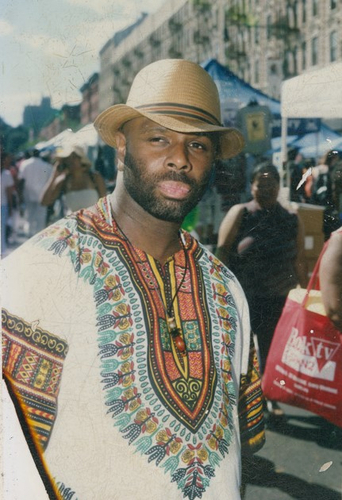
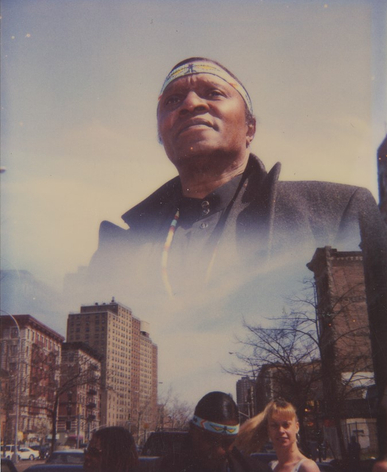
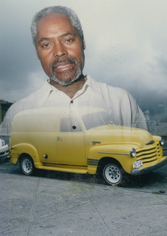
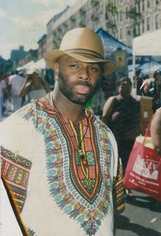
Louis Mendes,  Dashiki, Harlem, 2000s. © Louis Mendes.

Louis Mendes,  Dashiki, Harlem, 2000s. © Louis Mendes.

By 1968, I was hired by the Port Authority of New York, doing maintenance. I distinctly remember sweeping one day, and a white cop came over to me and said, “your friend got killed today.” I said, “who? What friend?” He said, “King.” It was April of 1968. And the riot started that weekend, things being burned down and people going crazy. I survived that, and by the early 1970s, I decided to just take pictures.

I would look for events, find flyers posted on walls, see where the party would be, get myself ready, and go there that weekend. If there was a boat ride, I would get a ticket and get on that boat. Wherever they're playing music, it's a party and there would be people there that are happy, so I would go there and photograph. Eventually I got a concession on a boat, and I would be the only photographer on the boat. I did that for years.

Because of my camera, I would get stopped on the street every single day. People would be curious about the camera and ask where I got it from and if it was heavy. I said, “if you're weak, it is heavy. But I'm not weak.” Jacqueline Kennedy had the same camera, and if Jacqueline Kennedy could carry this camera, I could carry it too. I now have nine more of the same cameras. As long as they make the film, I will use that camera.

Gordon Parks used the same camera, the Speed Graphic. I saw Parks give a talk at Hunter College in the 1980s, with Avery Brooks. I did a double exposure of him on stage. I met him again years later at the Leica Gallery.

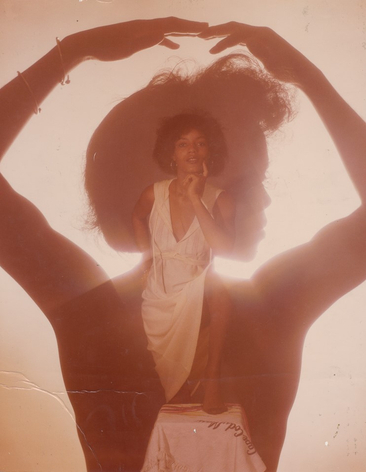
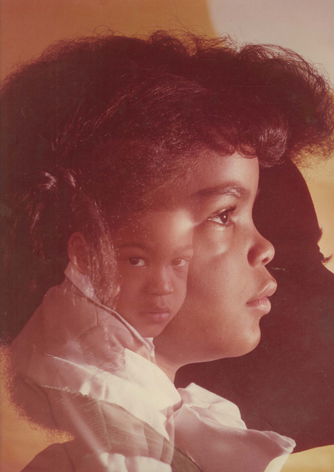
The process with this camera is different because I got one shot. I look at a person and I imagine how I will photograph them. Then I approach them, and I’ll do a double exposure, and they don't know that until I show they the picture. That blows their mind.

In 1972, I remember distinctly, I had a pocket full of money from working on a boat. I made about $1,200—that's $5 a picture. Later, I was walking in New Jersey and I passed a car show. And in that car show was the car of my choice, my desire, a 1966 Ford Thunderbird hard top convertible. So I walked in and asked the guy, “how much is that?” He said, $1,100. I reached in my pocket, gave him $1,100 on the spot.

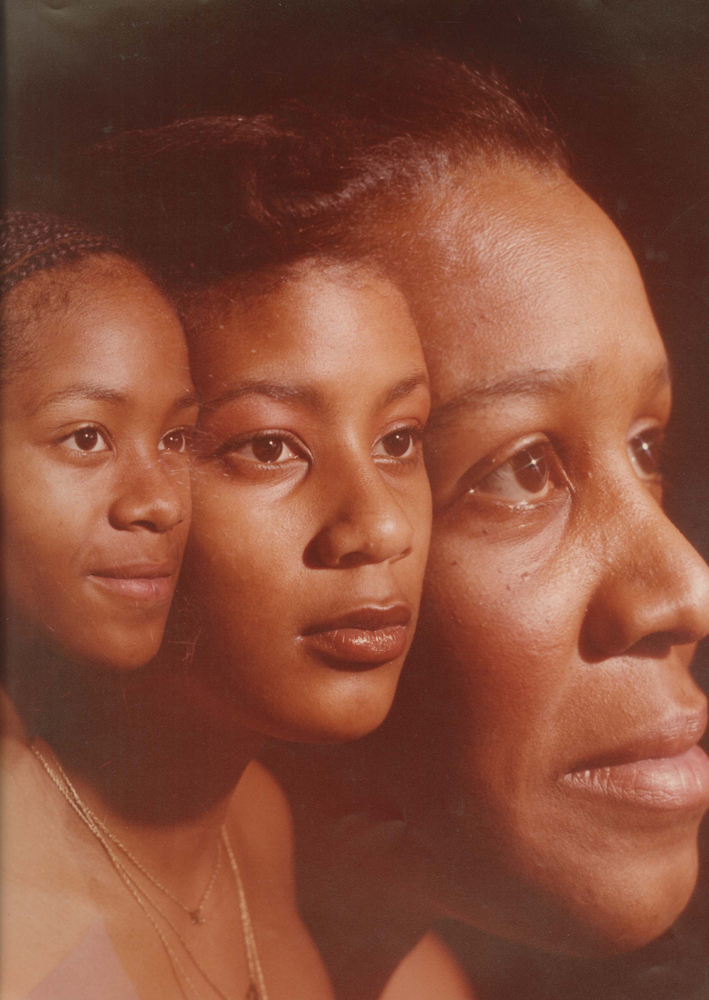
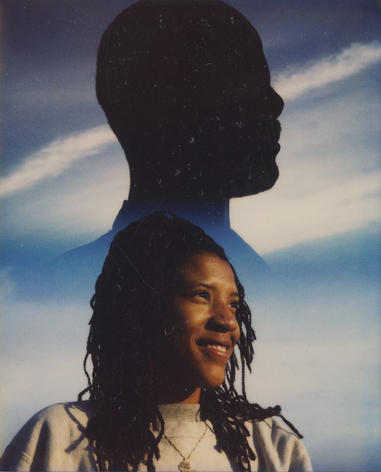
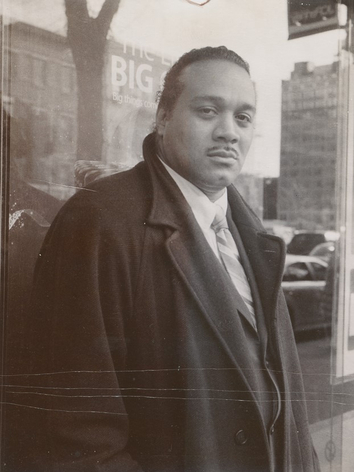
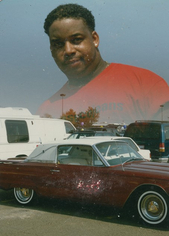
Louis Mendes, Mother and Children, 1970s. © Louis Mendes.

Louis Mendes, Mother and Children, 1970s. © Louis Mendes.

Having that car changed everything. I got a job for a studio doing door-to-door baby photography, and you needed a car for that. The studio would get the list of new babies from the hospitals. They'd wait three months, and then they sent out the photographers to go photograph the child in the home. I did that from Connecticut to Brooklyn. I lived in Jamaica, Queens, so I worked against the traffic, heading out when people were going to work. Back in 1972 you could park anywhere, and driving was a breeze. I worked every single day at that time.

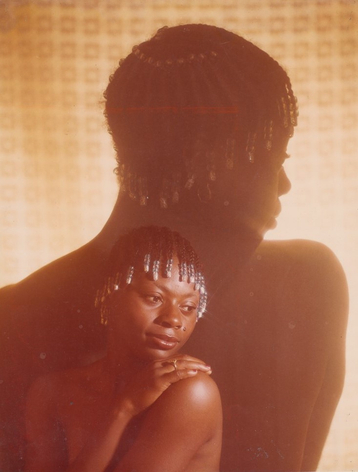
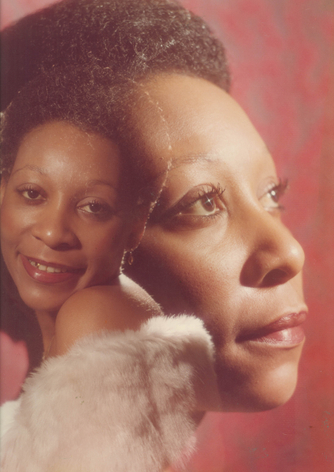
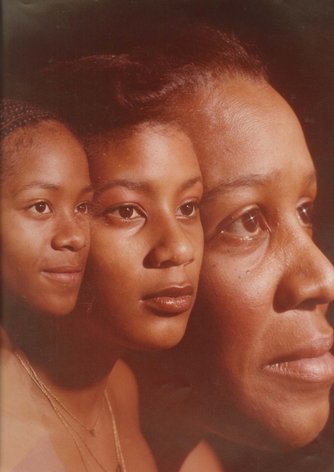
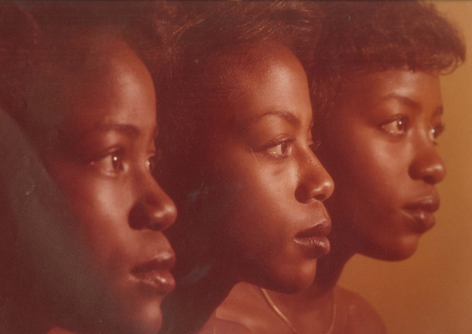
The studio gave you a roll of film that had twelve shots on it. Twelve shots is not much, so I used my own camera, a twin lens reflex with interchangeable lens, instead of the studio camera. With that camera, I started doing double exposures. I would photograph, for example, the father in profile, and then I'll photograph the mother and child inside his shadow. I did all that on my own. And my sales were high because nobody else was doing what I was doing. The company wanted me to teach the other photographers how to do that and I said no, not without pay. So I left them and went on my own in 1975.

I didn't know everything at the time. There was a whole business side that I didn't know of— You have to get a customer, prospect them, show them the proofs, take back the order, get the billing, and get paid. Sometimes you need to see the customer five times before you get paid.

I got involved with a couple of other photographers, hustlers like me. We formed a company and called ourselves Family Photographers. I'd go out and prospect the customers, looking for babies. Because once you get the kids and babies, you got the whole family. Then you go to the weddings, the graduations, birthday parties, and all that just from that first session. I would carry an album with me, a portfolio of pictures, every day. I started walking down blocks and knocking on doors. I would go to the projects, start at the top floor and work my way down. I would tell them that the photographer is going to be there that weekend if they wanted any pictures taken. I went to all the projects in the city, over a hundred. And when I rode the subway, I would only talk to women if they have an engagement ring on their fingers, and I would show them my portfolio and book a wedding job on the spot. For the weddings, I'd hook them up with a limousine for three hours, built into the wedding package. But they think they're getting it free.
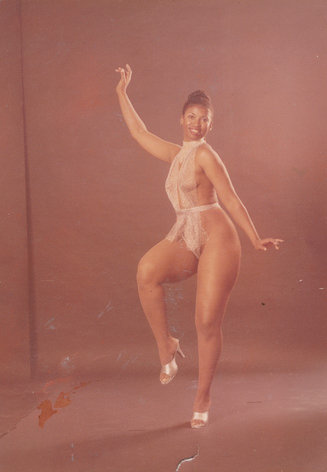
I moved to Harlem from Queens in 1982. I was walking in Brooklyn one day and I saw a wedding couple and asked them where they came from. They said from City Hall around the corner. So then I said to myself, every day they have weddings here, so I might as well just stay here every day. I did that for 10 years.

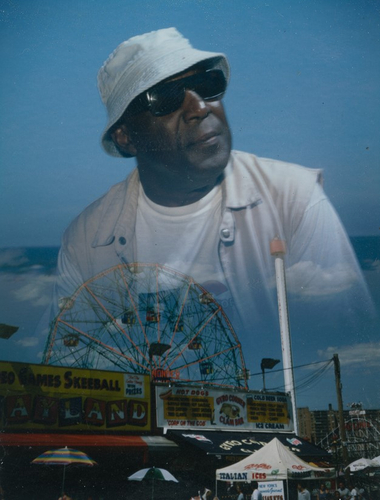
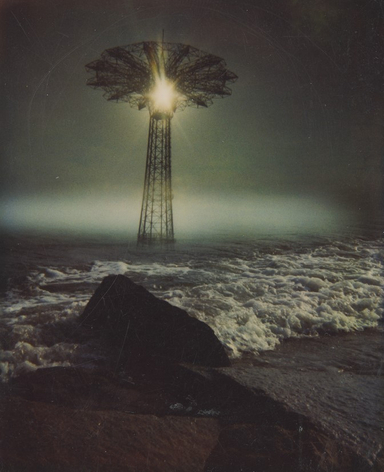
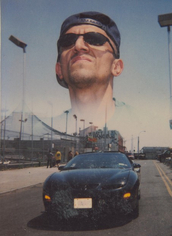
Louis Mendes, Coney Island, 1990s. © Louis Mendes.

Louis Mendes, Coney Island, 1990s. © Louis Mendes.

In 1995, I was featured in an article in The New York Times. That year was the Million Man March in Washington D.C. I went and did double exposures there, putting people on top of the crowd. As I'm walking around the city, some guys recognized me from The New York Times article, so I talked to them for a while, took their picture, made some money, and it kept on going. 1995 was a good year, but I made the most money two years later at the Million Women March in Philadelphia, On October 25, 1997. We got a case of film and took 700 pictures that day.

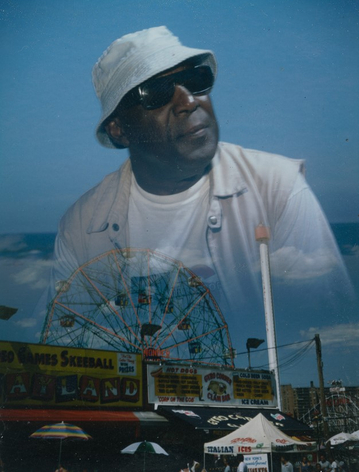
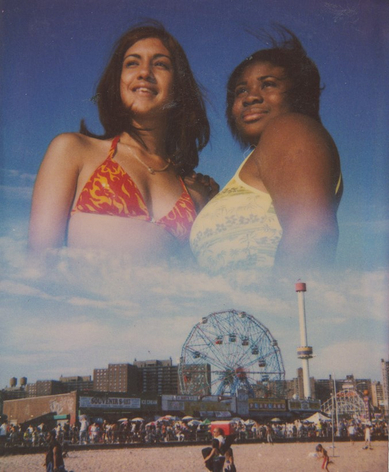
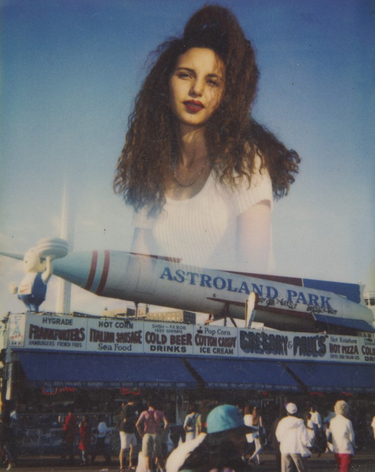
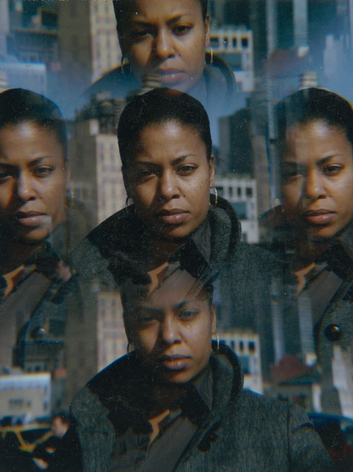
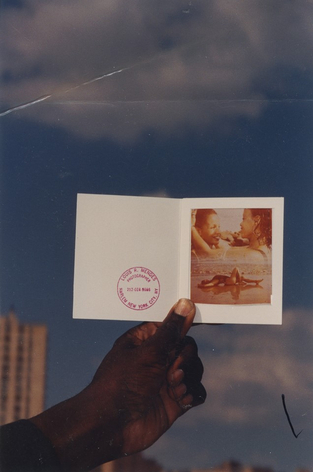
By 2000, I started working on the Staten Island Ferry with a Polaroid Spectra. Back and forth all day long, taking pictures of people. That camera allowed you to cover half the frame, so I would do double exposures of people and put them on top of the Statue of Liberty, or on top of the New York skyline. I did the same at Coney Island. I would carry the camera under my arm, and when I get ready to take the picture, I pull it out, snap it, and boom, I put it back under my arm. They didn’t know what camera took the picture or how because I did it so fast. They don’t understand until they see the photo, and then they’re blown away.
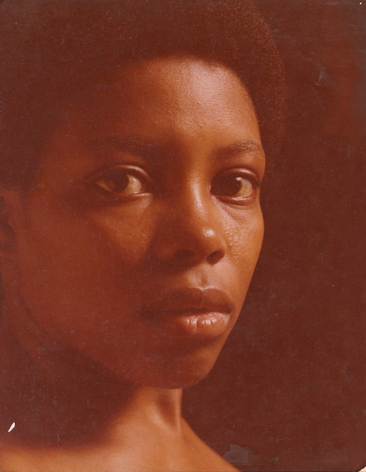
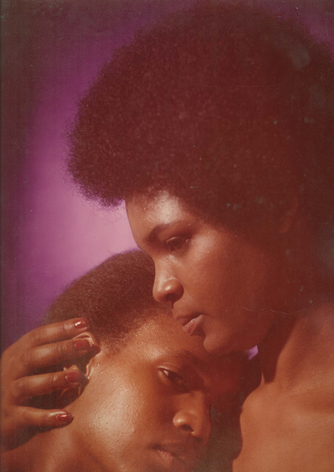
Photography is important for recording the present, because you never know how long you’re going to live. I enjoy having someone see themselves now and then, 20 years from now, look back at that picture and say, “damn, I look good.” I've photographed four generations of the same families: grandparents, grandchildren, four generations at graduations. That's what keeps me going, the memories people bring back to me. And that's why I take pictures every day, because everyone has memories they want to keep. Some people get married, get divorced, and still keep a picture I took to remember the past. I like that, and that’s what I believe in doing. I make photographs for other people to keep and cherish. What I’ve learned over the years is that if you got something, you have to stick with it. And that’s what I’ve been doing. I never got married, but I married my camera. That’s my wife, nine days a week.